
Cracked Teeth
Cracks can be hard to spot. We find them early and protect the tooth.
Cracked teeth are one of the trickiest problems in dentistry. A crack can be too fine to see on a normal x-ray, and the pain often comes and goes, which makes it easy to ignore until it worsens. Grinding, clenching, chewing hard foods, or large old fillings can all leave a tooth vulnerable to cracking.
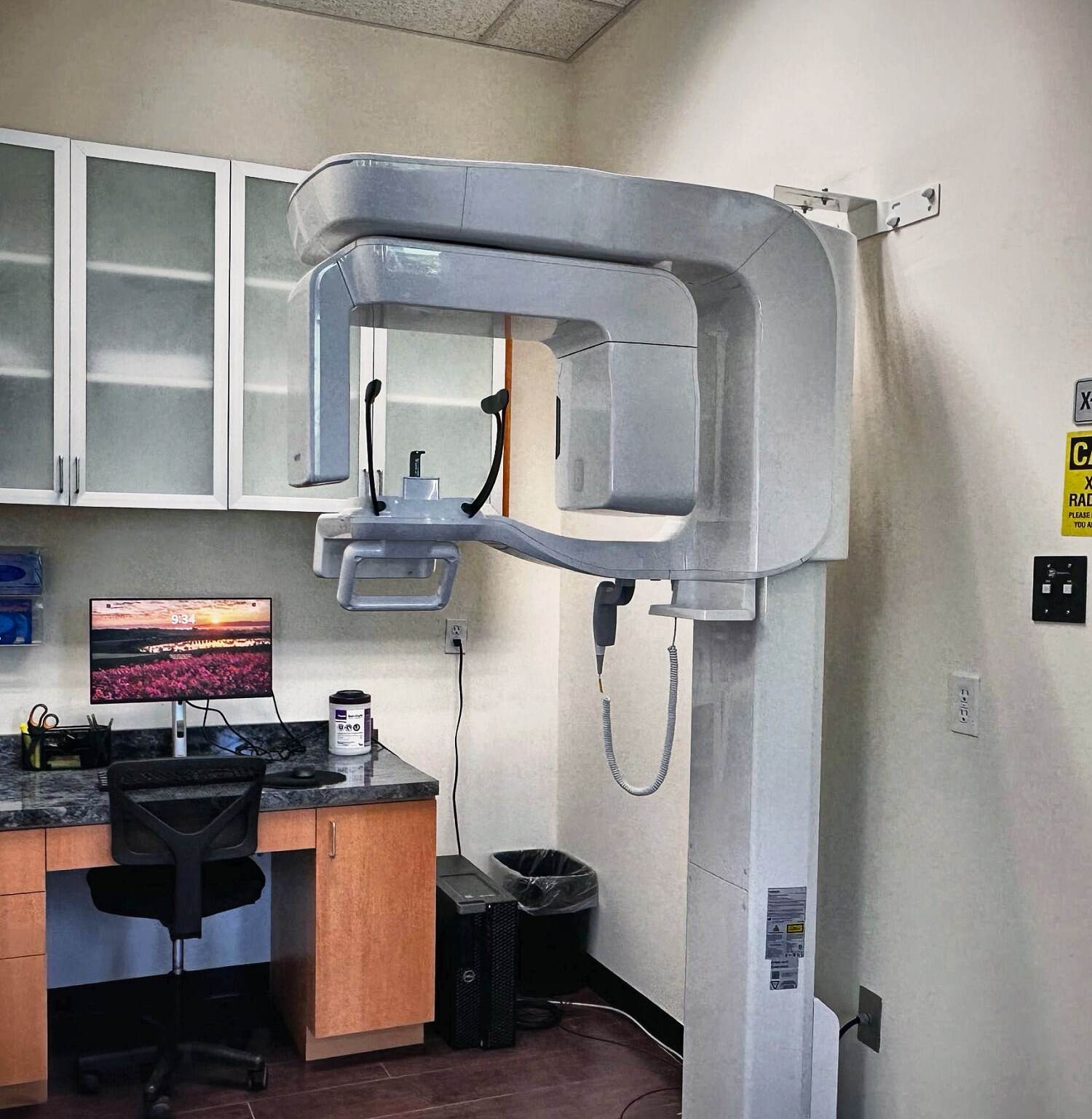
As endodontic specialists, we use high magnification and 3D imaging to find cracks that a routine exam can miss and to judge how deep they run. Caught early, many cracked teeth can be saved, often with root canal therapy to calm the nerve and a crown to hold the tooth together. The sooner a crack is evaluated, the better the outlook.
At a glance
- Diagnosis
- Microscope + 3D
- Common fix
- Root canal + crown
- Best outcome
- Treat early
Signs you may need this
If any of these sound familiar, it's worth having the tooth evaluated. Early care usually means a simpler, more comfortable result.
Why see an endodontist for this
Cracked teeth are the diagnosis general dentists most often send to an endodontist, because the crack itself is frequently invisible. Standard x-rays image density, and a crack is a gap with no width. It simply does not show up.
Diagnosis comes from putting several things together: exactly which cusp hurts on release of biting pressure, how the tooth responds to cold, what a 3D scan shows about the bone alongside the root, and what is visible under high magnification once any existing filling is removed.
The reason to get it looked at early is blunt. A crack confined to the crown of the tooth is very treatable. The same crack, left another year, can travel below the bone level and take the tooth with it.
What this treatment does for you
Accurate diagnosis
Magnification and 3D imaging locate cracks a standard exam and x-ray can miss.
Protects the tooth
Timely treatment can keep a small crack from becoming a lost tooth.
Relieves symptoms
Addresses the sharp, on-and-off pain a crack causes when you chew.
Your visit, step by step
Careful diagnosis
We test the tooth, examine it under magnification, and use 3D imaging to locate the crack and judge its depth.
A clear plan
Treatment depends on how far the crack extends. We explain what can be saved and the best way to do it.
Treat & protect
Many cracked teeth are treated with root canal therapy to settle the nerve, then a crown to hold the tooth together.
What we use, and why it matters
The equipment is the reason modern endodontics looks nothing like its reputation.
Surgical operating microscope
Under magnification with focused light, and often with a stain applied, cracks become visible that are invisible to the naked eye.
Cone beam 3D imaging
Reveals the characteristic bone pattern alongside a cracked root and helps judge how deep a crack runs.
Bite and transillumination testing
Targeted tests that identify the specific cusp involved and light passed through the tooth to reveal the crack line.
Selective removal of existing fillings
Large old restorations frequently hide the crack. Removing them under the microscope shows the true extent.
What happens afterwards, and when
A realistic timeline so you know what is normal and what is worth a phone call.
First visit
Diagnosis. We identify the tooth, locate the crack, and tell you honestly how treatable it is.
Days 1 to 3
If root canal treatment was done, expect mild tenderness that settles with over-the-counter pain relief.
Weeks 1 to 3
Your dentist fits a crown. Until it is on, the tooth is still vulnerable, so keep chewing on the other side.
After the crown
The crown holds the tooth together and stops the crack flexing. Symptoms on biting should be gone.
Ongoing
If grinding contributed, a nightguard protects both this tooth and the ones either side of it.
Aftercare & healing
A few simple steps help you heal comfortably and protect the result. We send you home with clear instructions and stay reachable if you have questions.
- If a crown is planned, avoid chewing on the tooth until it's placed.
- A nightguard can protect the tooth if grinding or clenching contributed to the crack.
- Report any new or worsening pain so we can reassess promptly.
What happens if it is left
Cracks propagate. They do not heal, and every chew cycle works the crack a fraction deeper.
- The crack extends toward the pulp, turning intermittent sharp pain into a constant ache.
- Bacteria enter through the crack and infect the pulp, so a root canal becomes necessary anyway.
- A cusp can fracture off entirely, sometimes taking the restorable part of the tooth with it.
- Once a crack passes below the bone level the tooth cannot be saved and has to be removed.
Cost & insurance
Cost depends entirely on what the crack turns out to require, which is why the diagnostic visit comes first. Some cracked teeth need only a crown from your own dentist.
Where the nerve is involved, the usual sequence is root canal treatment here followed by a crown at your general dentist. We give you the endodontic estimate; your dentist quotes the crown.
If a crack is too deep to save the tooth, we will tell you that instead of treating it, so you are not paying for a treatment that will not hold.
We go through the estimate and your coverage with you before treatment starts, not after. If the number is a problem, say so and we will talk about options.
Ask about costCommon questions
A crack can flex open under biting pressure and then close again, which causes sharp, on-and-off pain. That pattern is a classic sign of a cracked tooth.
Often, yes, especially when it's caught early. The outlook depends on how deep the crack runs. Some cracks are treatable; a crack that extends far below the gum may not be.
Fine cracks often don't show on standard x-rays. We use high magnification and 3D imaging specifically to find and assess them.
If the crack has reached or irritated the nerve, root canal therapy relieves the pain and lets the tooth be restored with a protective crown.
Avoid chewing ice and very hard foods, treat grinding or clenching with a nightguard, and replace large failing fillings before they weaken the tooth.
In pain, or not sure if you need cracked teeth?
Request a visit and our team will help you figure out the next step. No referral needed to be seen.