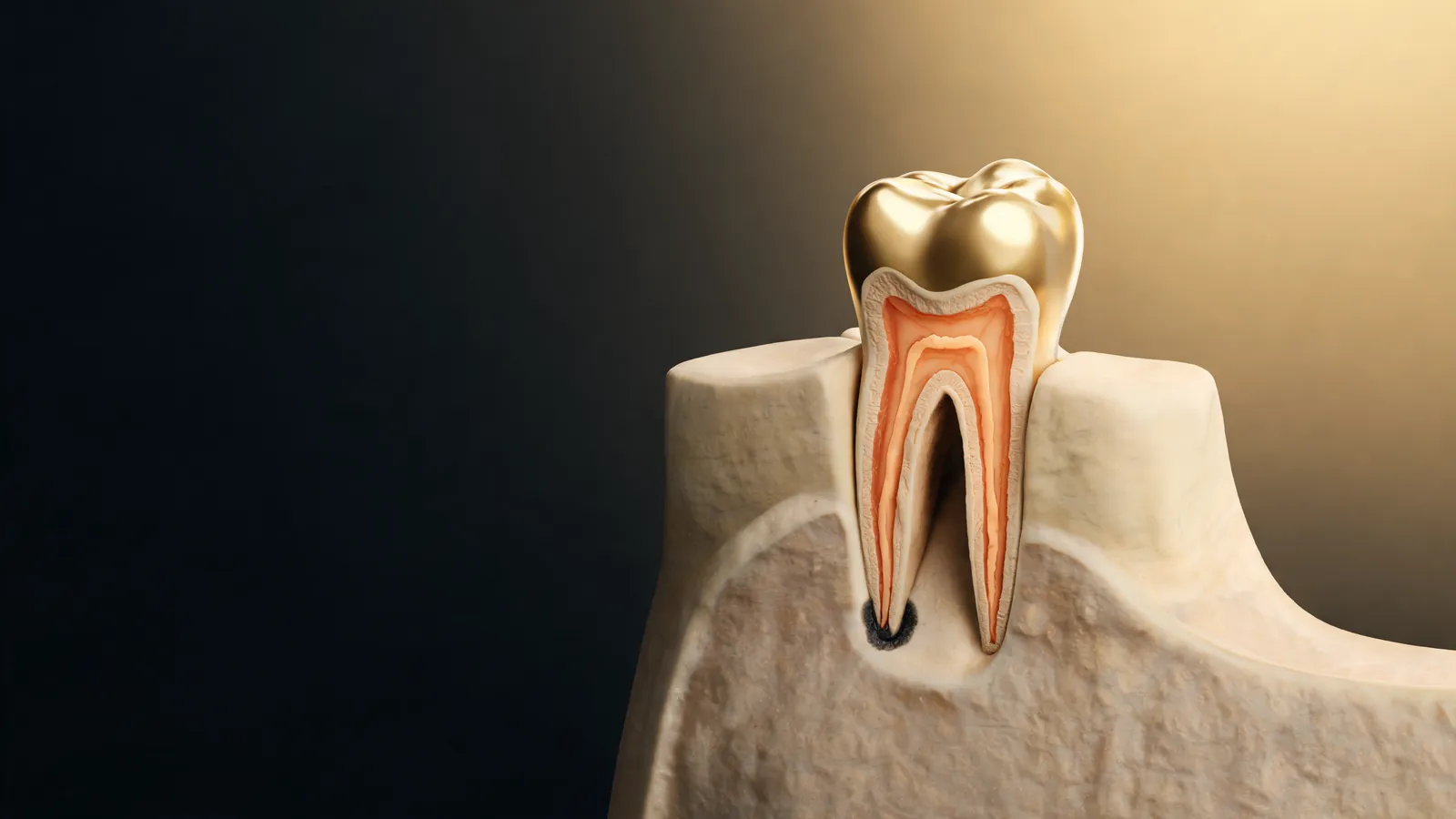

An apicoectomy, also called endodontic microsurgery, is a short procedure that treats lingering infection at the very tip of a tooth's root. It is often the step that saves a tooth when a root canal or retreatment has not been enough.
If you have one scheduled, you probably have practical questions: how sore will I be, when can I eat normally, when can I go back to work? This guide covers a typical recovery, from the first evening to the follow-up x-ray months later. Your own written instructions may differ slightly, and they always come first.
A Quick Look at the Procedure
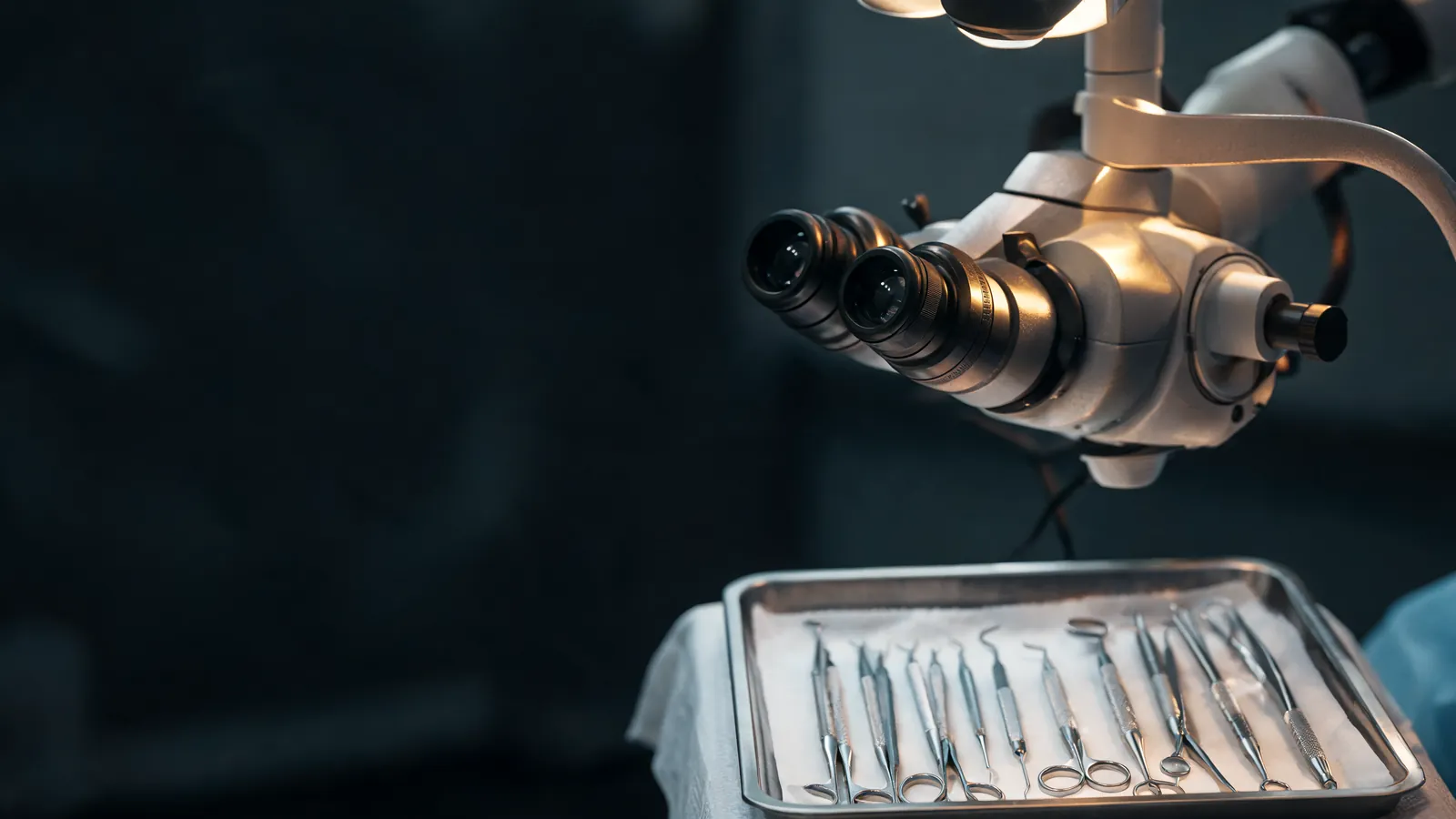
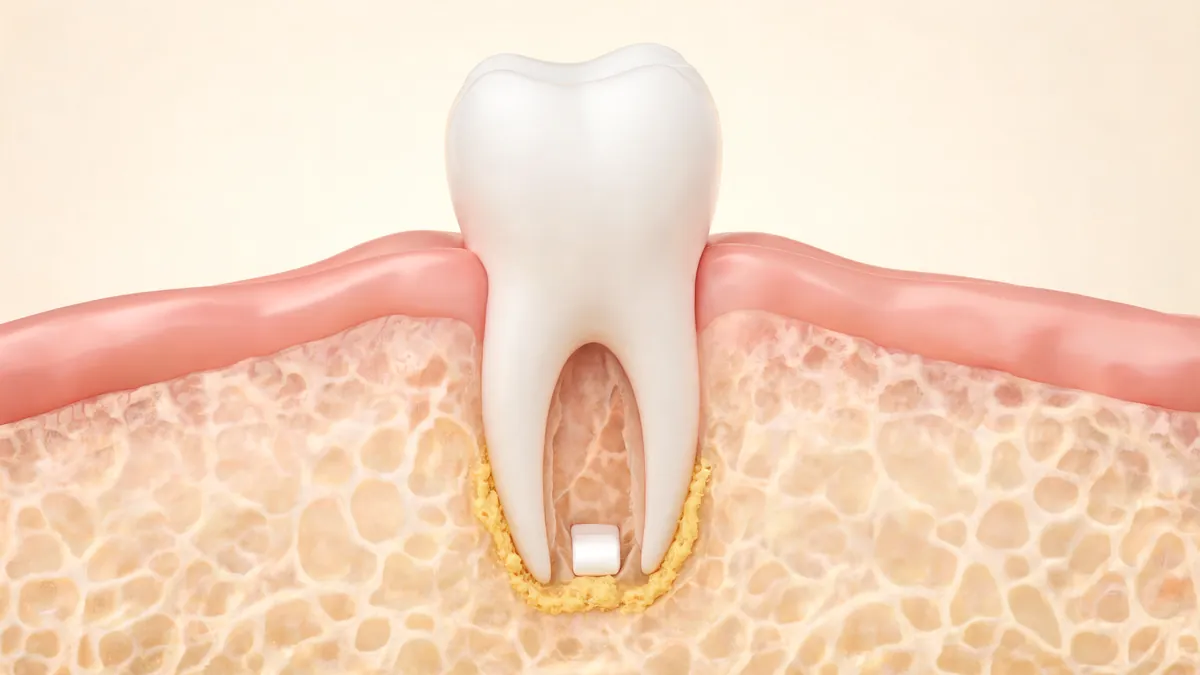
During an apicoectomy, the area is numbed and a small opening is made in the gum near the root. Working under a surgical microscope, the endodontist removes the infected tissue and the very tip of the root, then places a small filling to seal the end of the canal. The gum is closed with fine sutures. The procedure typically takes about an hour.
The area is fully numbed with local anesthetic, and sedation options can be discussed if you would prefer to be more relaxed. If you do have sedation, plan for someone to drive you home.
Because modern technique uses magnification and a small, precise opening, recovery is usually easier than people expect. Our apicoectomy page explains when the procedure is recommended, and the American Association of Endodontists has a clear overview of endodontic surgery if you want more detail.

The First 24 Hours
Day one is about rest and keeping swelling down. What you do in these first hours makes a real difference to how the next few days feel.
- Use a cold pack. Hold a cloth-wrapped cold pack against your cheek over the area, on and off, for the rest of the day.
- Rest. Take it easy for the remainder of the day and skip exercise and heavy lifting.
- Follow your medication instructions. Take any pain relief exactly as directed.
- Leave the area alone. Avoid pulling your lip to look at the stitches, and keep your tongue and fingers away from the site.
- Keep your head raised. An extra pillow at night can help limit swelling.
A little oozing from the area on the first day can be normal. Your written instructions explain what to expect and how to manage it.
Days 2 to 3: When Swelling Peaks
Swelling, and sometimes some bruising, usually peaks around the second or third day and then begins to fade. This is the point when people tend to worry, and it is expected. Mild soreness is normal and is managed with the medication we recommend.
Keep brushing your other teeth as usual and be gentle near the surgical site. If you were given a rinse, use it as directed.
Call the office if swelling is still increasing after the third day, if you develop a fever, or if pain is getting worse rather than better.
Eating and Drinking While You Heal
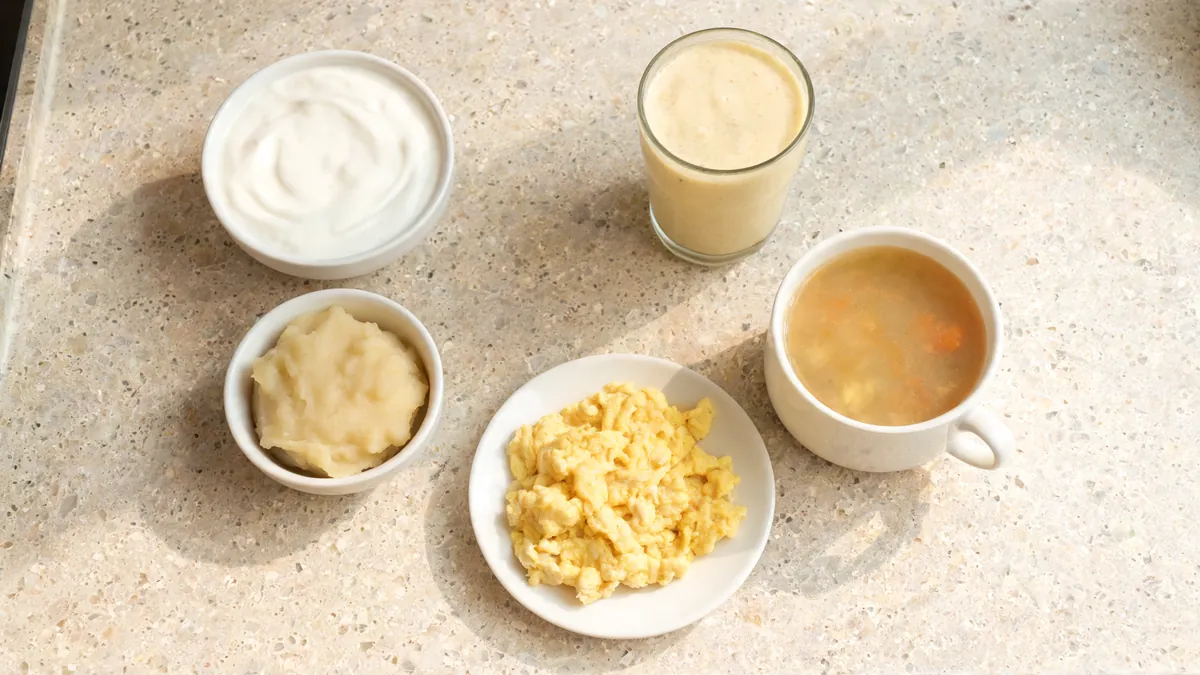
Stick to soft foods for the first several days and chew on the opposite side. Good options include:
- Yogurt, cottage cheese and smoothies
- Scrambled eggs and soft pasta
- Mashed potatoes and well cooked vegetables
- Soups that have cooled to lukewarm
- Oatmeal and flaky fish
Avoid very hot food and drinks on the first day, as well as crunchy, hard or sticky foods that could disturb the stitches. Skip alcohol and smoking while you heal, since both can slow healing.
Most people are back to their normal diet by the end of the first week.
Days 5 to 7: Stitches and a Quick Check
Sutures are removed or dissolve within about a week, and we will see you for a quick check. By this point most people are back to their normal routine and the area feels much better.
Over the following two to four weeks, the gum heals over and the site looks unremarkable.
The Months After: How Healing Is Confirmed
The deeper healing happens in the bone, and it takes longer. Over the following months, new bone gradually fills in the area where the infection was. A review x-ray at around six to twelve months shows that healing, which is the result the procedure is aiming for.
Keep that appointment even if the tooth feels fine. It is how we confirm the tooth has healed rather than assume it.
If you have questions about an upcoming apicoectomy, or a treated tooth that still does not feel right, you can request an appointment at our Valencia or Bakersfield office. Our article on the signs a treated tooth needs attention and our endodontic retreatment page are also worth a read.