

If your dentist has told you that you need a root canal, the first question is usually some version of "what are they actually going to do?" Not knowing is often worse than the treatment itself. Root canal therapy has a reputation that is decades out of date, and most of the worry around it comes from the unknown.
This guide walks through a typical root canal at a specialist office, step by step, from the moment you sit down to the day your tooth gets its final restoration. Every case is a little different, and your endodontist will explain your own tooth in detail, but the overall shape of the visit is very consistent.
Why a Tooth Needs a Root Canal
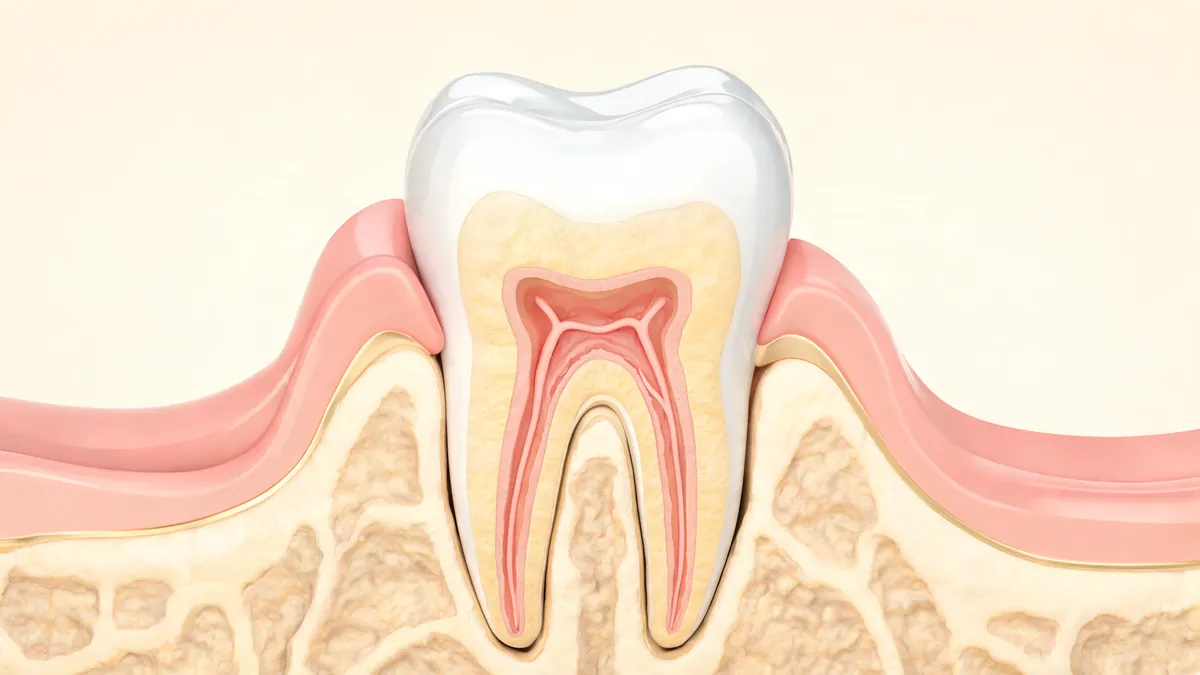
Every tooth has a hard outer shell of enamel and dentin, and a soft core called the pulp. The pulp holds the nerve and blood vessels, and it runs from the crown of the tooth down through thin channels in each root, called root canals.
When deep decay, a crack, or an injury lets bacteria reach the pulp, the tissue becomes inflamed or infected. Because it is sealed inside hard walls, it has no room to swell, which is why an inflamed pulp can cause such a deep, throbbing ache. Once the pulp is infected it cannot heal itself, and left alone the infection can spread into the bone around the root.
A root canal removes the inflamed or infected pulp, cleans and disinfects the canals, and seals them. Your own tooth stays in place and keeps doing its job. The American Dental Association's overview of root canals is a good plain language primer if you want more background.
The signs that usually lead to the diagnosis include:
- Sensitivity to hot or cold that lingers after the food or drink is gone
- Sharp pain when biting or pressing on one tooth
- A throbbing ache that wakes you at night
- A small pimple-like bump on the gum, swelling, or a bad taste
- A tooth that has darkened compared with its neighbors
You can read more about these symptoms on our root canal therapy page.
Before Treatment: Diagnosis and 3D Imaging
The visit starts with a conversation and an examination. We ask what you have been feeling, when it started, and what makes it better or worse. Then we test the tooth and its neighbors, usually with cold and with gentle pressure, because the tooth that hurts is not always the tooth that is causing the pain.
Imaging comes next. Along with standard x-rays, we use cone beam 3D imaging, a focused, low-dose scan that shows the shape of the roots and the bone around them in three dimensions. It maps how many canals the tooth has and how they curve before treatment begins, which matters most on molars.
By the end of this step you should know exactly which tooth is involved, why, and what the plan is. If the tooth cannot be saved, or if something other than a root canal would serve you better, this is when you hear about it.

Step by Step: The Treatment Itself
Once the plan is clear, treatment usually follows this order:
- Numbing. The area is numbed with local anesthetic, the same kind used for a filling, and we check that the tooth is fully numb before going any further. A very inflamed tooth can need extra anesthetic, and there are supplemental techniques for exactly that.
- Isolation. A thin rubber sheet called a dental dam is placed around the tooth. It keeps the tooth clean and dry and keeps everything else out of the way.
- Access. A small opening is made in the top of the tooth to reach the pulp chamber.
- Cleaning and shaping. Working under a surgical operating microscope, the endodontist removes the pulp tissue and cleans each canal with fine, flexible files that follow the canal's natural curve. The canals are rinsed with disinfecting solutions throughout.
- Measuring. An electronic apex locator measures the length of each canal, so the cleaning and the seal stop exactly where the root ends.
- Sealing. The clean canals are filled with a rubber-like material and sealer, and the opening is closed with a temporary or permanent filling.
Most patients describe the experience as similar to having a filling, just longer. You will feel some pressure and hear the instruments, but you should not feel sharp pain. If you do, say so, and we will pause and give more anesthetic.
How long does it take? Most root canals are completed in one or two visits. A front tooth with a single canal is often quicker than a molar with three or four. When there is a lot of infection, the canals may be filled with a medicated dressing and the treatment finished at a second visit.
After the Visit: The First Few Days
A standard root canal uses local anesthetic, so you can usually drive yourself home and go back to work or school the same day. The numbness wears off over a few hours.
Mild tenderness when biting is normal for a few days, especially if the tooth was very sore beforehand. Over-the-counter pain relief usually handles it. Chew on the other side until the tooth has its final restoration, and keep brushing and flossing as normal.
Call the office if you notice swelling that is getting worse rather than better, pain that is increasing after the first few days, or a reaction to any medication. Those are not expected, and we would rather hear from you early.
MedlinePlus, from the U.S. National Library of Medicine, has a short summary of root canal treatment if you would like a second source.
The Final Step: Protecting the Tooth
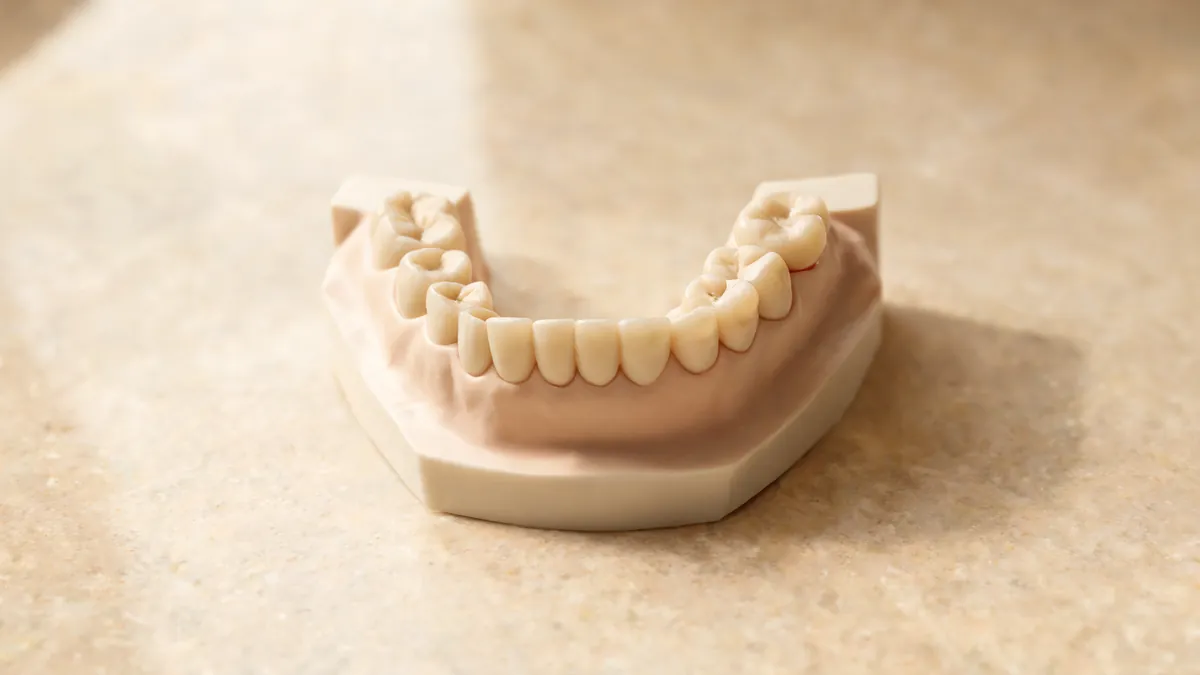
The root canal removes the problem inside the tooth, but the tooth still needs a strong outer restoration to protect it. Back teeth in particular take heavy chewing forces, and a tooth that needs a root canal has often already been weakened by the decay or crack that caused the problem.
That is why your general dentist usually places a crown or a permanent filling within a few weeks of treatment. This step is not optional. A tooth left with only a temporary filling can let bacteria back in or crack, which can undo the work.
We keep your dentist informed so they know exactly what was done. Six to twelve months later, a short review appointment and an x-ray confirm that the bone at the root tip has healed as expected.
Is It Better to Just Pull the Tooth?
Extraction can seem simpler in the moment, but it is rarely the better choice when a tooth can be saved. A missing tooth usually needs replacing with an implant or a bridge to stop the neighboring teeth from shifting, and that means more treatment and usually more cost over time. Nothing chews quite like your own tooth.
Some teeth cannot be saved, and an honest endodontist will tell you when that is the case. For most teeth that need a root canal, though, keeping the tooth is the practical option.
If you are in the Bakersfield or Valencia area and would like a specialist to look at a tooth, you can request an appointment, or read about emergency endodontic care if you are in pain right now.