
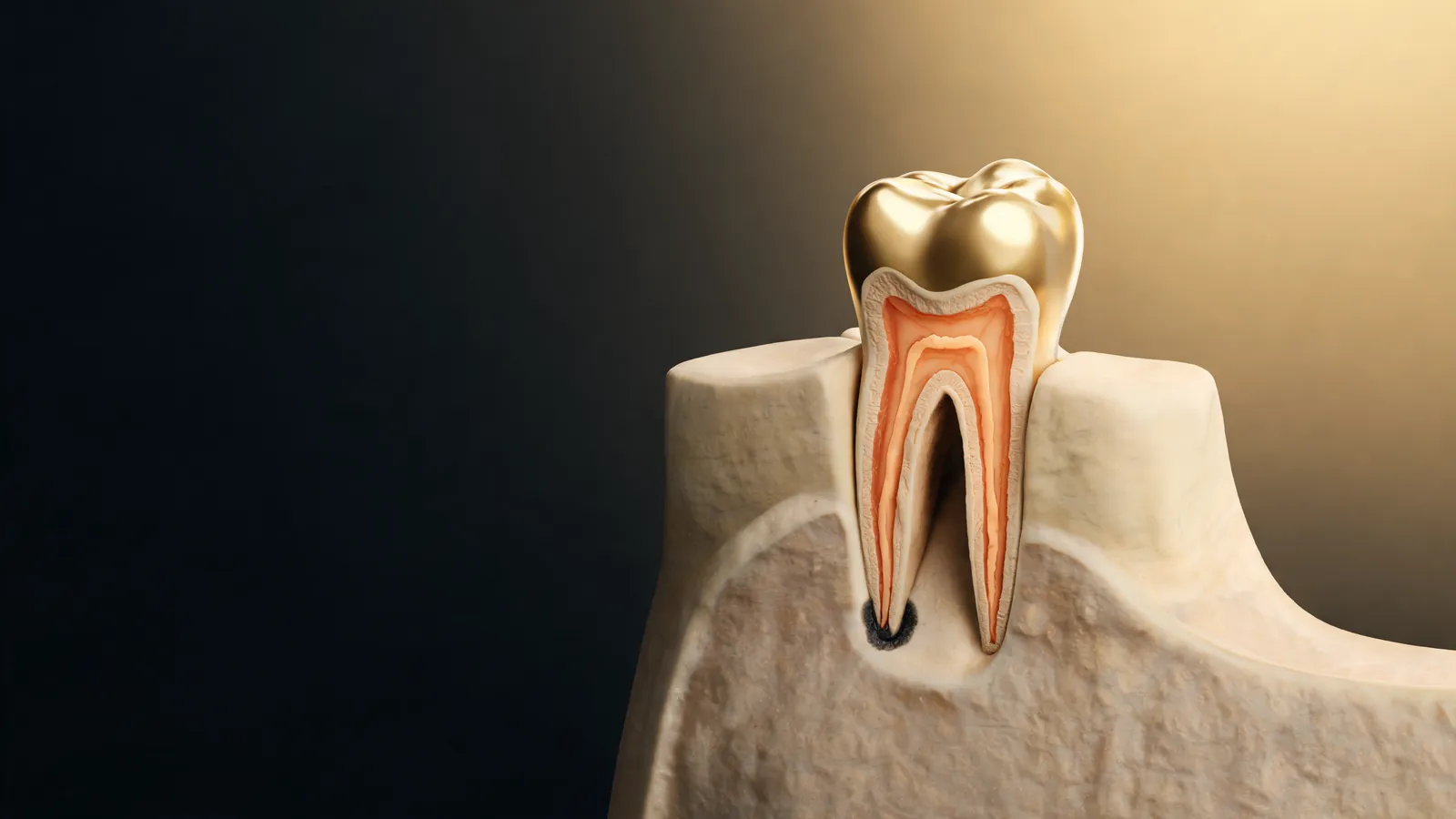
Most teeth that have had a root canal last for many years, often for life. Occasionally, though, a tooth that was treated months or years ago starts to ache again, or a small bump appears on the gum nearby. It is an unsettling feeling: you thought that tooth was taken care of.
The good news is that a tooth like this can very often be saved a second time. This article covers the signs to watch for, why a treated tooth can become a problem again, and what happens next.

Signs a Treated Tooth May Need Retreatment
Some signs are obvious and some are easy to miss. Any of the following around a tooth that has had a root canal is worth getting checked:
- Pain or pressure that has come back after a period of feeling fine
- Tenderness when biting or tapping on the tooth
- Swelling of the gum or face near the tooth
- A small pimple-like bump on the gum, sometimes with a bad taste, which can be a sign of a draining infection
- A tooth that never fully settled after its first treatment
Sometimes there are no symptoms at all, and the problem is spotted on a routine x-ray as a dark area at the tip of the root. That is a reason for an evaluation even if the tooth feels fine.
If you have facial swelling that is spreading, or swelling that affects your breathing or swallowing, treat it as a medical emergency and seek care right away.
Why a Root Canal Treated Tooth Can Have Problems Again
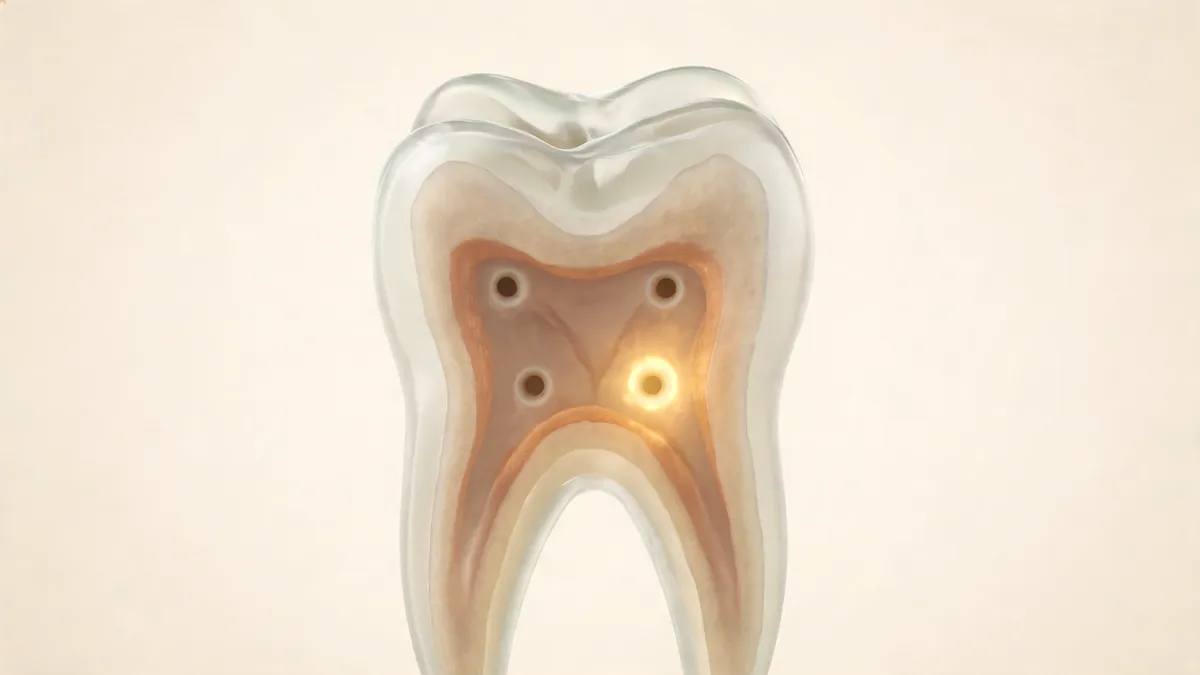
A root canal removes infected tissue and seals the inside of the tooth. For the tooth to stay healthy long term, the seal has to hold and every canal has to have been cleaned. When a treated tooth develops problems, it usually comes down to one of a few causes:
- A canal that was hard to find. Teeth often have more canals than expected, and some are very narrow, curved or hidden. An untreated canal can harbor bacteria that cause trouble later.
- A leaking or delayed restoration. If the crown or filling placed after treatment breaks down, or was delayed for a long time, bacteria can leak back into the tooth.
- New decay. A new cavity can expose the root canal filling to bacteria.
- A crack. A crack in the tooth or root can let bacteria in. Some cracks can be treated, but a crack that runs deep into the root may mean the tooth cannot be saved.
None of these necessarily means the first treatment was done badly. Tooth anatomy can be very complex, and restorations wear over time.
How Retreatment Works
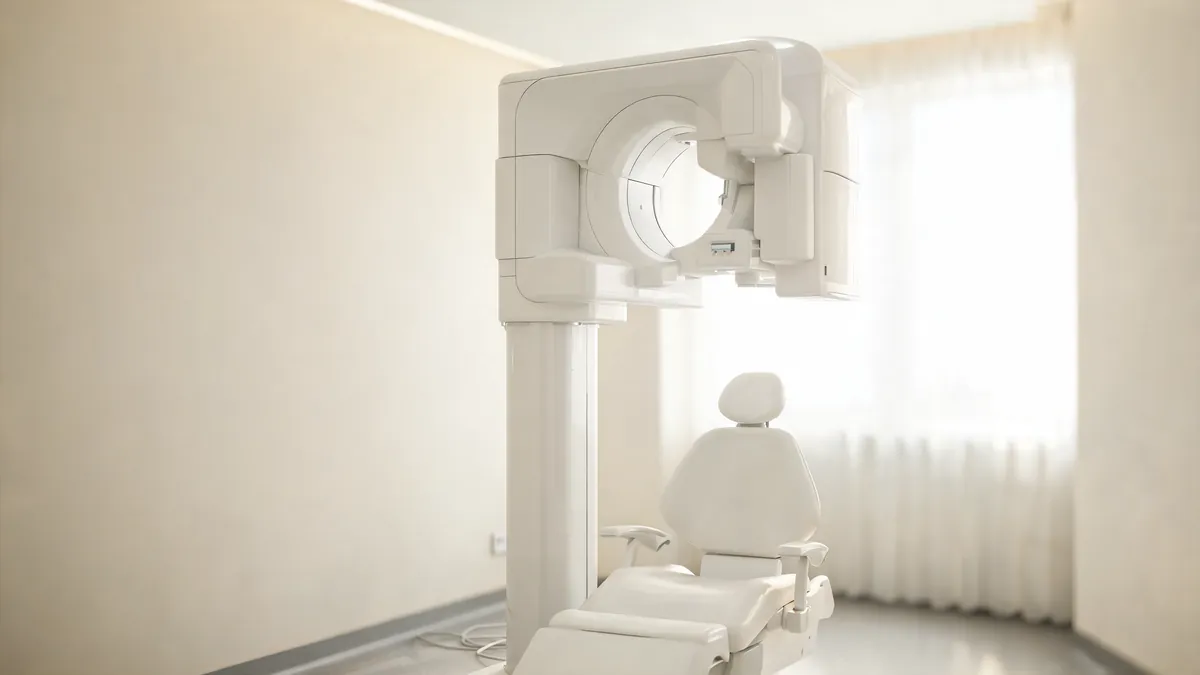
Retreatment starts with finding out why the tooth is having trouble. An exam, testing and imaging come first. Cone beam 3D imaging is especially useful here, because it can show untreated canals and the extent of an infection in a way a flat x-ray cannot.
If retreatment is the right choice, the steps are similar to a first root canal with one important difference: the old work has to come out first. After numbing, the endodontist reopens the tooth, removes the previous filling material, and then searches for anything that was missed. Working under a surgical microscope, the canals are cleaned, disinfected and sealed again.
Retreatment is usually done in one or two visits. Because more work is involved, soreness afterward can be a little more noticeable than after a first root canal, and it settles over a few days. Your dentist then places the final restoration.
You can read more about the process on our endodontic retreatment page, and the American Association of Endodontists has a helpful explanation of retreatment.
What If Retreatment Is Not Possible?
Sometimes a conventional retreatment is not the best route, for example when a tooth has a post or crown that would be risky to remove, or when the problem sits right at the tip of the root. In those cases a small microsurgical procedure called an apicoectomy may save the tooth by treating the root tip directly through the gum.
And sometimes a tooth genuinely cannot be saved, usually because of a deep crack or too little remaining tooth structure. A specialist will tell you honestly when that is the case, so you can plan the next step with your dentist rather than paying for treatment that will not hold.
Why Waiting Is Rarely a Good Idea
It is tempting to wait and see, especially if the discomfort comes and goes. The trouble is that an infection at the root tip does not go away on its own. Antibiotics may calm a flare-up for a while, but they do not remove the source inside the tooth.
Over time, the infection keeps affecting the bone around the root, which can narrow your options and make the tooth harder to save. Getting it looked at early gives you the most choices.
If you have a treated tooth that does not feel right, you do not need a referral to be seen. Contact our Bakersfield or Valencia office and we will help you work out what is going on. If you are curious how a first root canal is done, our step by step root canal guide walks through it.