Root canals are performed by two kinds of dentists: general dentists and endodontists. Both can do the procedure, and many general dentists do it well. So when does it make sense to see a specialist, and what is actually different?
This guide explains what an endodontist is, which cases benefit most from specialist care, how referrals work, and how to choose. If you live in Bakersfield, Valencia or elsewhere in the Santa Clarita Valley, it also covers how to see a specialist locally.
What Is an Endodontist?
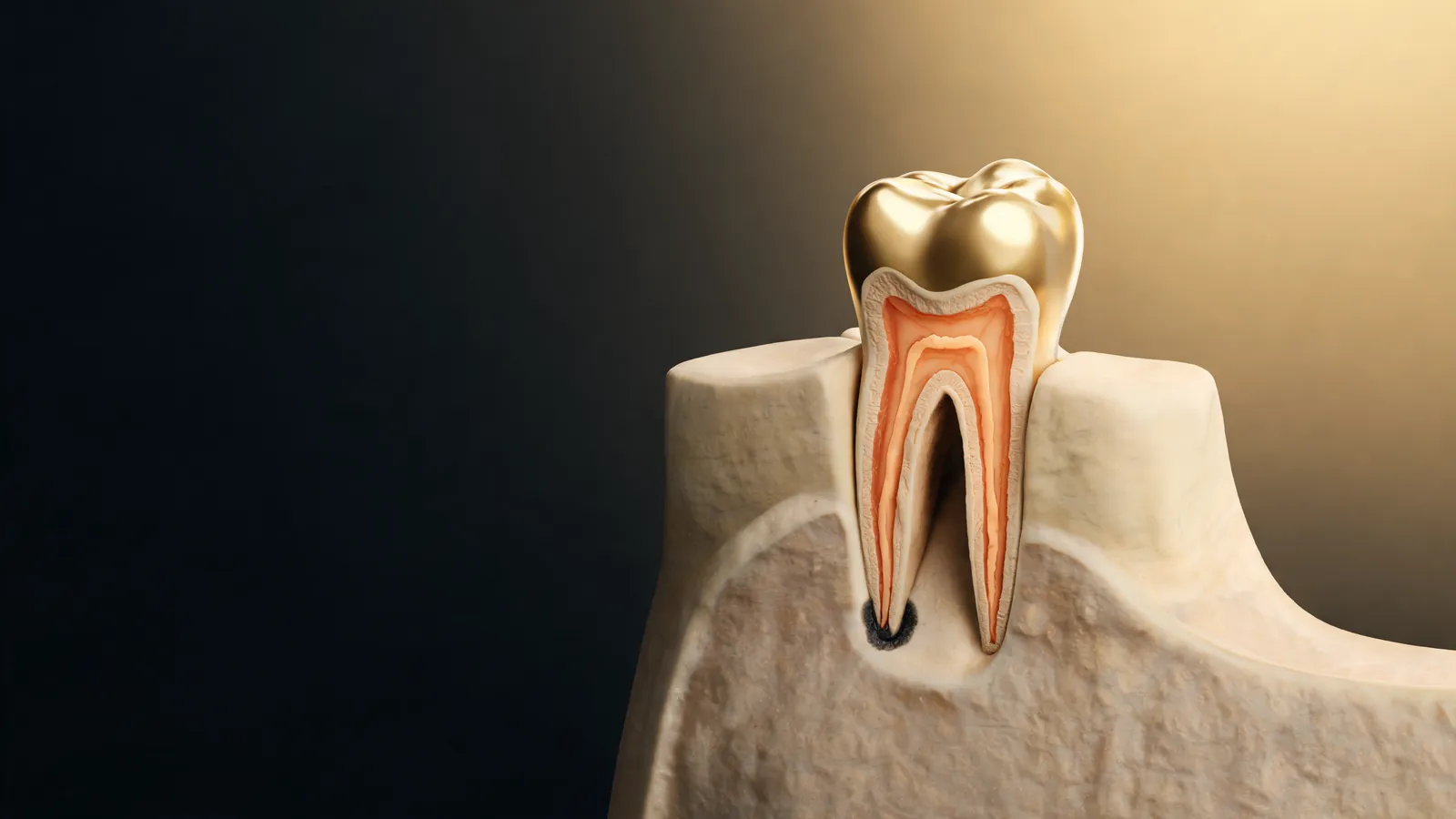
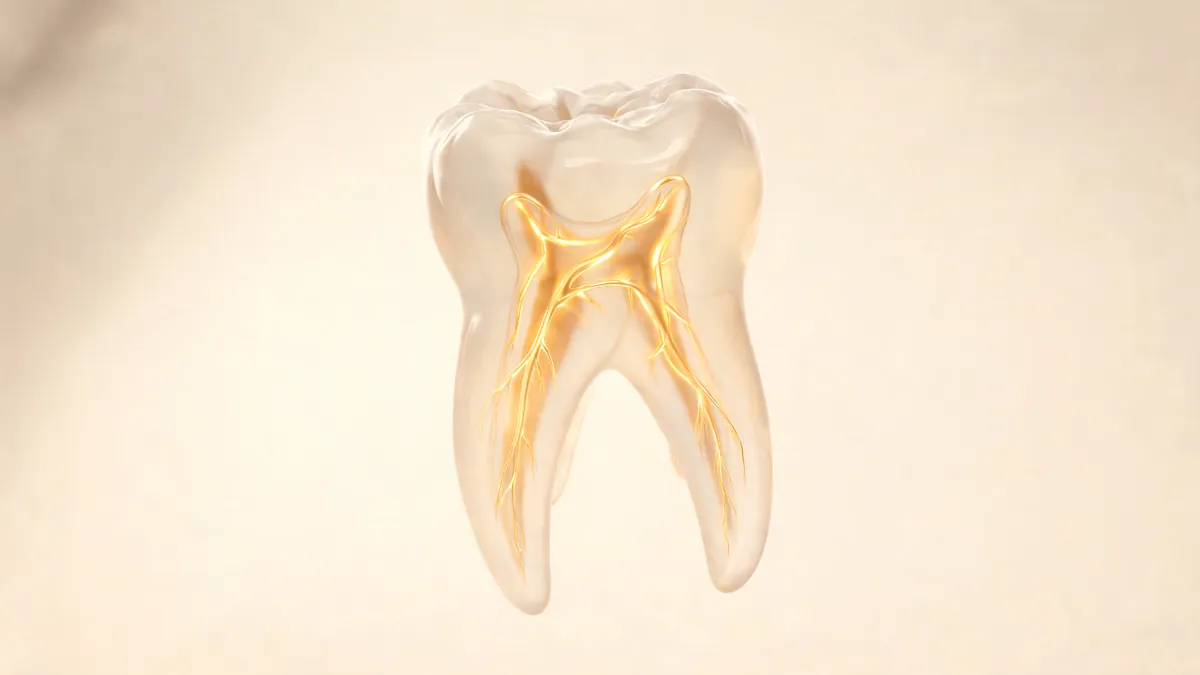
An endodontist is a dentist who has completed two or more years of full-time specialty training after dental school, focused entirely on the inside of the tooth: the pulp, the root canals, and the tissues around the root tip. The name says it: endo means inside, and odont means tooth.
After that training, endodontists focus their practice on this work. That means diagnosing tooth pain, performing root canal treatment and retreatment, endodontic microsurgery such as an apicoectomy, diagnosing and treating cracked teeth, and managing dental injuries.
The American Association of Endodontists explains more in its guide on why to see an endodontist.
What Your General Dentist Does Well
Your general dentist is the center of your dental care. They handle checkups, cleanings, fillings, crowns and much more, and many perform straightforward root canals, often on front teeth with a single, easy to reach canal.
Seeing a specialist is not a judgment on your dentist. In fact, one of the most common ways patients reach an endodontist is through their own dentist recognizing that a case would benefit from specialist care. The two work together, and the final crown or filling is usually placed back at your dentist's office.
When a Specialist Makes the Most Sense
Some cases benefit more than others from the training, magnification and imaging an endodontic office is built around:
- Molars and complex anatomy. Back teeth can have three, four or more canals, some very narrow or sharply curved.
- Calcified canals. Canals can narrow over the years, which makes them hard to locate and clean.
- A previous root canal that has failed. Retreatment means removing old material and finding what was missed, which is demanding work.
- Pain that is hard to pin down. Tooth pain can refer to other teeth and along the jaw. Pinpointing the true source is a core part of endodontic training.
- Suspected cracks. Cracks often do not show on a standard x-ray and need careful testing and magnification to diagnose.
- Dental injuries. Knocked-out, loosened or displaced teeth need prompt care and careful follow-up of the nerve.
For the patient, the practical difference is often predictability and comfort. Treating these cases every working day makes the visit smoother, even when the tooth is not straightforward.
The Tools Behind Specialist Care
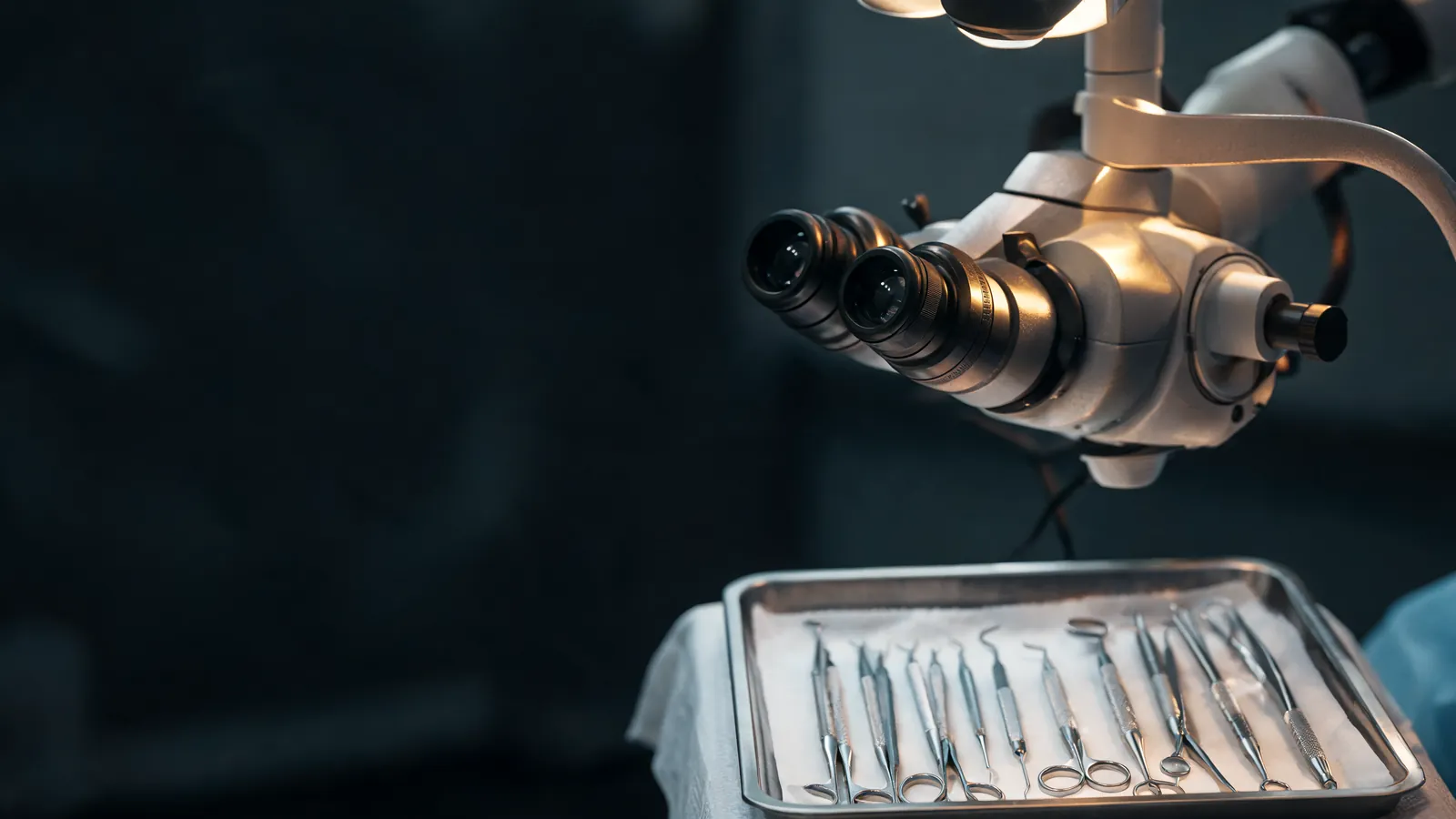
Endodontic offices are built around a handful of tools that make the inside of a tooth visible. At Elite Endo, every procedure is performed under magnification with 3D imaging:
- A surgical operating microscope, which provides high magnification and focused light, so canals and cracks are seen rather than guessed at.
- Cone beam 3D imaging, a focused, low-dose scan that shows root anatomy and the surrounding bone in three dimensions.
- Flexible nickel-titanium files, which follow the natural curve of a canal instead of forcing it straight.
- Electronic apex locators, which measure each canal precisely so the cleaning and the seal stop where the root ends.
You can read more about how these are used on our root canal therapy page, or see what a visit looks like in our step by step root canal guide.
Do You Need a Referral?
No. Many patients come to us from their own dentist, but you do not need a referral to be seen. If you are in pain and want a specialist first, you can call us directly.
If your dentist does refer you, they will usually send x-rays and notes ahead of your visit. We keep your dentist informed from referral to restoration, so they know exactly what was done and can place the final crown or filling. Dentists who would like to send a patient will find details on our referring dentists page.

Seeing an Endodontist in Bakersfield or Valencia
Elite Endo has two offices: Bakersfield, at 1010 Calloway Drive, Suite 200B, and Valencia, at 23501 Cinema Drive, Suite 207. Both are open Monday to Friday, 9:00am to 5:00pm.
Our endodontists, Dr. Mohammad Sirjani and Dr. Youram Farzam, both completed their specialty training at the University of Southern California, and Dr. Sirjani also serves on the faculty of USC's Postgraduate Endodontics Clinic.
To book, request an appointment online or call the Bakersfield office at (661) 432-1630 or the Valencia office at (661) 505-9080. If you are dealing with severe pain or swelling, say so when you call. We do our best to see genuine emergencies the same day.